- Who are CKPs:-
Chandraseniya Kayastha Prabhu (CKP), (in Marathi चांद्रसेनीय कायस्थ प्रभू)is an ethno-religious clan of South Asia. It is part of the broader Kayastha community. Traditionally, the CKPs have been granted the upper caste status, which allowed them to study the Vedas and perform religious rites along with Brahmins.
The CKPs are today concentrated primarily in western Maharashtra, southern Gujarat, and Madhya Pradesh (Indore region). They played an important role in the establishment and administration of the Maratha Empire.
- Origin of CKP:-
Chandrasen, son of great King Sahastrararjun, was killed by Parshuram (The great warrior, in order to fulfil his wish to kill every Kshtriya on earth ) . Chandrasen's pregnant wife Ganga / Kamala took asylum with Dalabhya mooni. Parshuram demanded mooni to hand over Ganga, but the mooni very wisely asked him to spare this pregnant women. Parshuram agreed to Mooni's request and blessed her that the child born from her ' KAYA " would be called KAYASTHA. Parshuram said as his father's kingdom has been destroyed; he and his ascendant would live with the help of sword and ink (Asijivi/Masijivi).
This is a mythological story but all agree in saying that it means the descendents of the king Chandrasen who was the Kshatriya (warrior by profession ) king, the son of Sahastrararjun of the Haiyaya family.
Another point is tribes of kaya province are Kayastha. The province kaya means Ayodhaya. According to Mr. H.S.Wilson (1819) Kayastha means the Supreme Being, the writer caste born of Kshatriya father and Shudra mother.
In the 7th and 8th century, Kayasthas were in Kashmir and later they shifted from Kashmir to northern India and madhya bharat. The word Prabhu means supreme or powerful. The Pandavas , Kauravas, Gupt Vansh are all Chandravanshis. Sometime during the advent of Budhism, the last CKP kingdom was lost and the community moved to Mandugadh where they held important positions in the court of the Parmars. After Mandugadh fell to Allaudin Khilji, the Prabhus fled from Mandu. They went into Gujarat and they via sea landed in the Konkan strip where they made their homes. Totally 42 families came to Maharashtra in 1305.
In Maharashtra they were successful but faced lot problems from Brahmin Community, especially the Kokanastha Brahmins. Between 1400 and 1900 Brahmin's layed Gramanyas i.e. Boycott on them. Each time the CKP families got various proofs of they being Prabhu's, including letter from Shankaracharya.
The most famous example is when Mr.Balaji Avji Chitnis wanted to perform the Thread ceremony ( Munj ) on his son. Brahmins did not allow him saying " Prabhu's are not Brahmins and are from lower caste, hence thread ceremony cannot be performed on them". Mr.Chitnis got letter from then Shankarachaya Vidhanrusingha Bharati from Karvir Peeth, in year 1913, which said "Prabhu's are Rajanya Kshatriyas (Royal warriors)". Only Rajanya Kshatriyas (warrior by profession ) are allowed to do thread ceremony, so though Maratha's are Kshatriyas thread ceremony is not performed on them. Only exceptions were Bhonsale's who were decedents of Sisodia Royal family of Rajasthan. The Letter written by Shankaracharya can be found in office of Bombay Gazzette. This community is at Par with Brahmins in performing Vedic rituals.
During Shivaji Maharaj’s period, this was the only community, who along with Deshasthas, held higher administration positions like Chitnis, Sabnis, Karkhanis and Mujumdar. They had also played a good role in the army of Maratha Empire during Shivaji Maharaj’s time and later during 1st Bajirao Peshwa’s period. It was also mentioned that during historic attack of Marathas on Afghans in 1751, Sardar Gupte of Pune led the battle of attock (read : अटकेपार झेंडें in Marathi) In late 17th century, few deshastha Brahmins understood the importance of Kayastha administrators and warriors. King of Aundh Sasthan and Pratindhi of Chatrapati-"Tribak Kulkarni- Kinhakar" broke the rules of “Gramanyas” (boycott) and started inviting them to Religious ceremonies related with his family and started “Pangat” with Kayasthas which was against the Orthodox Brahmin rules at that time. Great writers from Mandesh Ga Di Madgularkar had mentioned one story about this.Parshuram Tribak Pratindhi and his decedents kept this activity going on;as a result many CKPs migrated to Satara and Kolhapur Districts in late 17th century. Many CKPs got apponintement as Karkhanis and Gadkari at some forts near Satara like Vasota,Vardhangad etc. The fact that almost all the administrators from Chatrapati Shivaji to Rajaram Maharaj were either Deshastha Bramhins or Prabhus is reflected [by] the many common surnames in both the Deshastha and CKP communities such as Deshpande, Kulkarni, Chitnis, Gadkari, Karkhanis, Deshmukh, Tipnis and Jamenis etc.
Before 1713, all the Peshwes ( Prime Ministers) during the reign of the Maratha Empire were Deshasthas but from 1713 to 1803 Chatrapati appointed Chitpavan Peshwes. Particularly during the period 1750-1790, CKPs and Deshasthas faced a multitude of problems because of the pro-Chitpavan(and anti-CKP,anti-debra) attitude of Nanasaheb Peshwa. CKPs who by the mid-18th century had established themselves as professional administrators for the Angres at Alibaug, the Suvarnadurg clan in Malabar-Konkan coast, the Gaekwads in Gujarat, Bhonsales in Berar province, Ghorpades in Karnataka as well as for other Maratha chieftains from Dewas, Dhar, Indore,Kolhapur, Satara and Akkalkot found themselves at loggerheads with the Koknastha Brahmins for political and economical reasons because both communities were competing for the same posts. CKPs, who were favoured by both Hindu and Muslim rulers, were suppressed by vested interests in the Peshwa's durbar at Pune, particularly during rule of Nanasaheb Peshwa, Madhavrao Peshwa and Nana Phadanavis.
This was also the period of a Brahmanical revival in the Hindu religion when Brahmins ascended to the top of the Hindu caste hierarchy. CKPs, who as local administrators for the (Yavana) Muslim rulers prior to the Peshwa rule, had interaction socially with the Muslim and Buddhist rulers of the era and gradually adopted the social customs prevalent at that time, such as animal sacrifice, eating meat during religious functions, donation of money to bride as meher, worshiping fakirs or sufi saints and fasting, which was anathema to the Brahmins. Furthemore, the CKPs never had the sheer numbers to gain the favour of rulers.Chitpavan Kokanasta Brahmins who outnumbered CKPs, made seveal attempts to isolate the CKPs and suppress them further economically and politically, for example, by claiming that they did not have the right to perform the thread ceremony (munj. This was nothing more than an attempt by the Chitpavan Kokanasta Brahmins to appropriate for themselves the sole right to perform religious vedic rituals, a privilege of the ruling class in the brahminical way of thinking as declared by Brahmin rulers of that time.
Morever CKPs found themselves always at loggerheads with peshwas starting from Balaji Vishvanath 1st Chitpavan peshwa who usurped powers from Tarabai faction with which CKPs sided. Prabhu community who were earliest members of Shivaji dream of swaraj found themselves marginalized after Balaji Vishvanath became 1st Peshwa. Except Sardar Gupte who was commander in chief of Raghunathrao sworn enemy of Nana Phadanvis during his Attock operation no notable CKP ever served Peshwai & most joined rivals of Peshwas. This may have antagonised Peshwa administration further.
The CKPs share many common rituals with the upper-caste communities and the study of Vedas and Sanskrit. The Sword and the Pen symbolised the tools of this community for centuries.
The CKPs have traditionally been non-vegetarian, eating mutton, fish, poultry and eggs; their staple foods are Indian breads and rice.
A survey on online CKP community was carried out and found that following surname exist in CKP community, it consist of rare s
- Surnames in CKP community:-
urnames also which have 1 or 2 families. Total 110 surnames are found till date. Surname in ascending manner as follows:
Adhikari , Ambegaonkar, Angre , Bandhekar, Bendre , Bhagwate, Bhise , Bidwalkar, Chaskar , Chaubal , Chaukkar, Chavak , Chitnavis, Chitnis, Chitre, Dalvi , Daptardar , Daswekar, Dawane , Deolekar, Desai , Deshmukh , Deshpande, Dharkar, Dighe , Diwanji, Dixit , Donde , Dongre, Durve , Gadkari , Garude, Gore , Ghosalkar, Gupte , Hajirnis , Hajarnavis, Jamnis , Jaywant , Junnarkar, Juvekar , Kamthe , Kanetkar , Karkhanis, Karnik , Katreka , Kathuram, Kelshikar, Keluskar, Kemkar, Khale , Kharkar , Khopkar, Kondvikar, Konvikar, Korde , Kotwal , Kulabkar, Kulkarni, Likhite , Mahagaokar, Mahurkar , Mahulkar, Manik , Mathure , Medhekar , Moharikar, Mohile , Mokashi , Mojahne , Mujumdar, Nachane, Nadkar, Nagle , Niphadkar, Pagnis , Palkar , Paralikar , Patankar, Patki , Pattekar , Pedlikar , Phadkar , Phadnis, Phanse, Potnis , Pradhan ,Rajadhayaksha, Raje , Ranadive, Ruikar , Sabnis , Samarth, Sangle , Satarkar , Satpute , Sindkar , Shikarkhane, Shilotri , Shrotri , Shringarpure, Sonalkar, Sule, Tamhane, Taskar , Tavkar , Tadkharkar , Thakre (Thackeray), Tipnis , Tungare , Vadhavkar, Vaidya , Vangikar, Veshvikar, Vilekar , Wadhavkar.
- सी.के.पी स्वातंत्र्यसेनानी:-
1) मा. श्री. दत्ताजी ताम्हाणे
2) कै. नाथाजी ताम्हणे
3) श्रीमती सरलाताई कुळकर्णी
4) कै. रमेश द्वारकानाथ चिटणीस
5) श्री. रमेश शंकर समर्थ
6) श्री. यशवंत बापूजी मोकाशी
7) कै. रमेश शंकर गडकरी
8) कै. कुमुद नाचणे (कुमुद गुप्ते)
9) कै. चिंतामणी गणेश देशपांडे
10) श्री. बापूजी आत्माराम मोकाशी
11) कै. दामोदर आत्माराम मोकाशी
12) कै. जनार्दन खंडेराव गुप्ते
13) श्री. गजानन नीळकंठ गुप्ते
14) कै. विश्वनाथ मा. दिघे
15) श्रीमती नलिनी गोपीनाथ प्रधान
16) कै. भास्कर राजाराम माहोटीकर
17) श्री. पंढरीनाथ नारायण जयवंत
18) कै. श्रीकांत पांडुंग कणेकर
- Special CKP Food
- Khemyache Kanavle
- Chinchecha Kalvan
- Bharli Kavti
- Shevlaachi Bhaaji
- Shevlaachi Kani
- Shevlaachi Vadi
- Kolambiche Lonche
- Ambat Tikhat assal CKP Kalvan
- Lipta Javla
- Ninaava
- Puran Poli (specifically Tel Poli)
- Kolambi/Sode/Mutton/Vaalachi Khichdi
- Khaajyache Kanovle
- Ukad Handi
- Meeryache Ambatvaran
- Suki Sukat / Kadi (with Onions)
- Bomblaache / Gholliche Bhujne
- Masuryaachi Amti with Tallalela Masala n Vade
- Liptya Teesrya
- Mundi/Paya
- Bhajaniche Thalipeeth
- Sode ghatleli Vangyaachi Bhaji
- Dirdha
- Vaatli Daal
- Daalimbya/Suka Birdha
- Valaache Birdhe
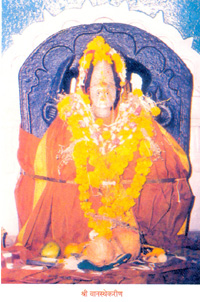
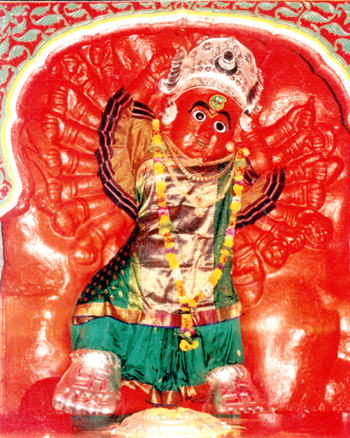
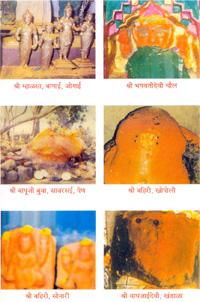
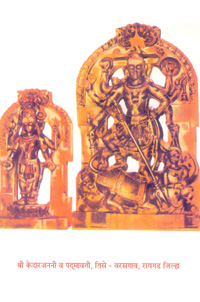
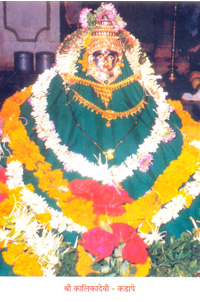
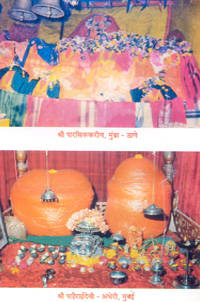
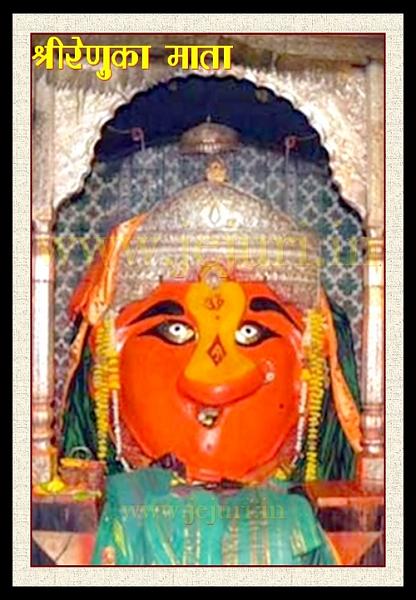
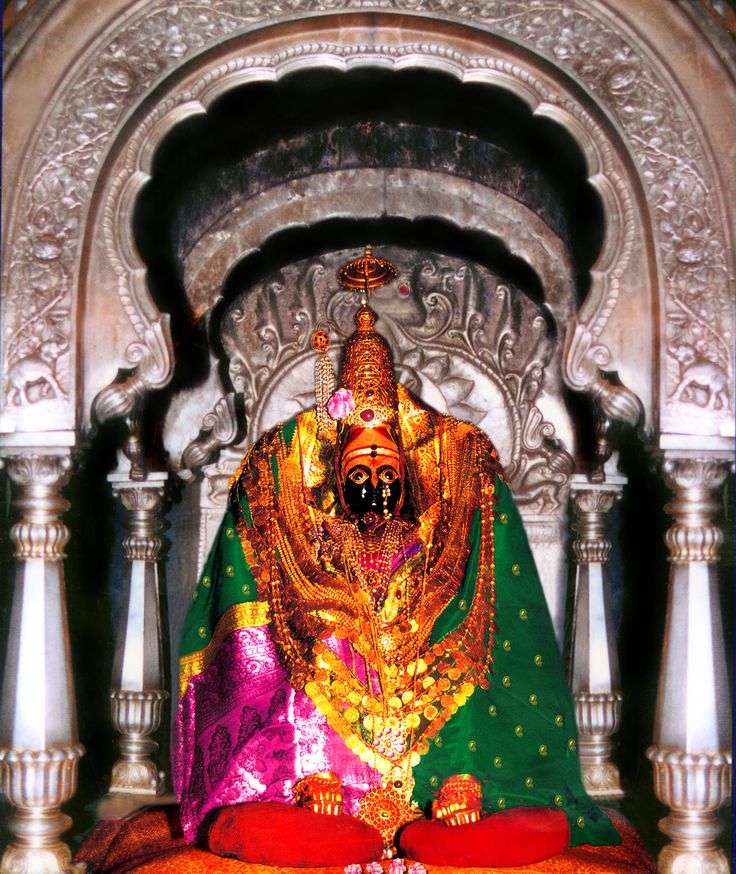
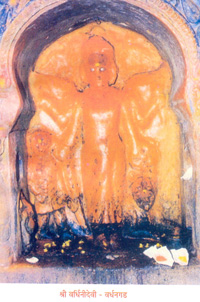
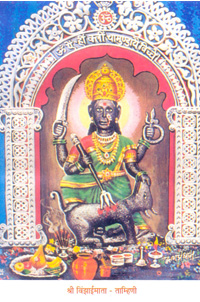
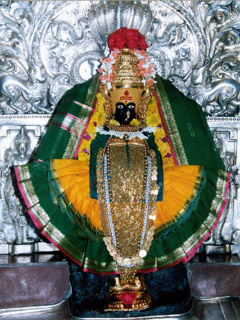
- कुलस्वामिनी व देवस्थाने:-